





The cooking idioms are new kitchen phrases that name common moves and choices.
The cooking idioms are written with meaning, example, and quick swap terms.
- cooking by the clock lid
- cooking with one pan peace
- cooking the first flip faith
- cooking on the back burner hush
- cooking through the salt line
- cooking past the smoke whisper
- cooking in the spoon lane
- cooking with a clean board mind
- cooking the knife talk short
- cooking the simmer promise
- cooking on low and know
- cooking the taste check rule
- cooking under the lid law
- cooking the heat match
- cooking the steady stir
- cooking the last pinch truth
- cooking the quick rinse habit
- cooking the plate finish pride
- cooking the scrap save habit
- cooking the pot calm
- cooking quick stir
- cooking salt snap
- cooking pan pause
- cooking heat hush
- cooking done and dash
- cooking until the spoon stands polite
- cooking when the onion turns honest
- cooking slow so the pot stays kind
- cooking twice to fix the first rush
- cooking by old notes, not new noise
- cooking rice right, no second guess
- cooking beans till they mind the broth
- cooking fish with a quiet lemon
- cooking stew till the bowl stays full
- cooking bread bits into next-day lunch
- cooking dough with the quiet fold
- cooking sugar to the soft crack mark
- cooking cake batter with light hand rule
- cooking crust first, crumb later
- cooking pie edges to hold the fill
What are the cooking idioms?
The cooking idioms are phrases for timing, heat control, clean prep, and steady habits that keep a kitchen run smooth (baking).
cooking by the clock lid
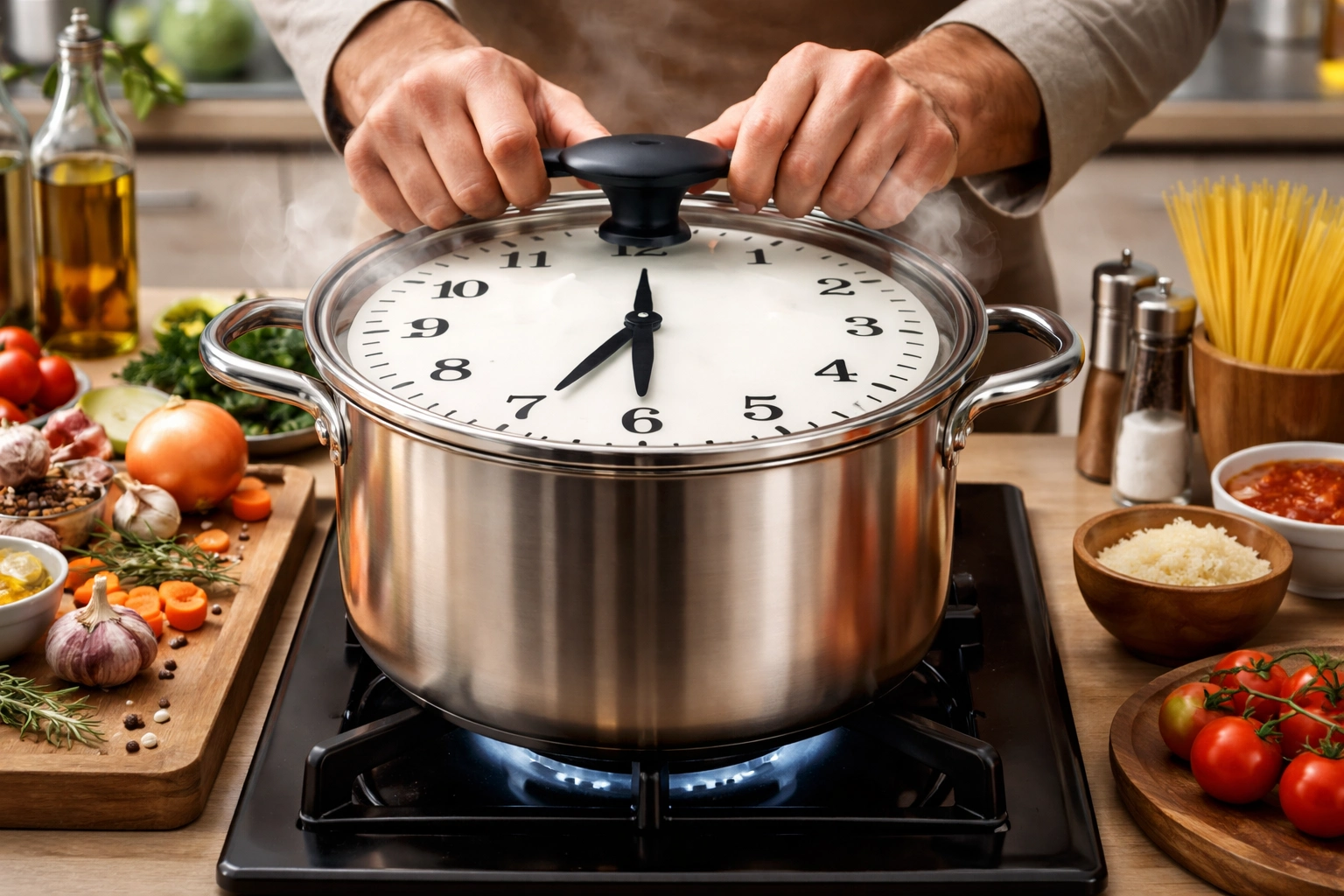
meaning: keeping cook time exact.
example: The cook used cooking by the clock lid and pulled the chicken at 74 C.
other ways to say: timed cook, strict timing, kitchen timer
cooking with one pan peace
meaning: keeping a meal simple with fewer tools.
example: The cook chose cooking with one pan peace, so cleanup stayed quick.
other ways to say: one-pan meal, simple setup, fewer dishes
cooking the first flip faith
meaning: not flipping food too soon.
example: The cook kept cooking the first flip faith, so the fish stayed whole.
other ways to say: wait to flip, leave it, hands off
cooking on the back burner hush
meaning: keeping a task warm while finishing another.
example: The cook kept the rice on cooking on the back burner hush while the curry finished.
other ways to say: hold warm, keep aside, low heat
cooking through the salt line
meaning: salting in small steps, then tasting.
example: The cook followed cooking through the salt line, so the soup stayed balanced.
other ways to say: salt in stages, taste and salt, light season
cooking past the smoke whisper
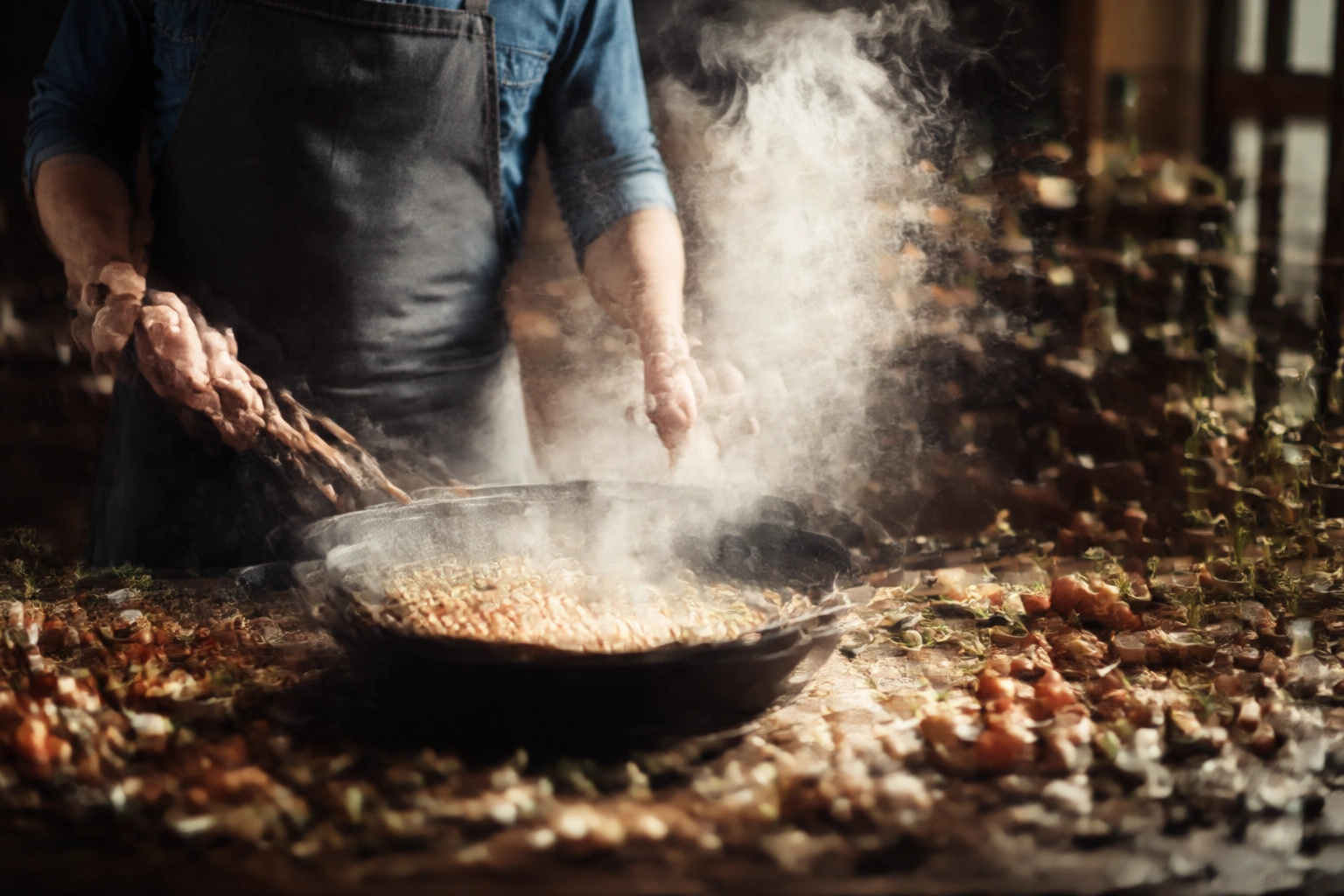
meaning: lowering heat before oil smokes.
example: The cook saw the first haze and used cooking past the smoke whisper.
other ways to say: drop the heat, cool the pan, stop smoke
cooking in the spoon lane
meaning: stirring in a steady path to stop sticking.
example: The cook kept cooking in the spoon lane, so the sauce stayed smooth.
other ways to say: steady stir, scrape bottom, smooth mix
cooking with a clean board mind
meaning: keeping prep space clean while working.
example: The cook kept cooking with a clean board mind and avoided messy spills.
other ways to say: clean as you go, tidy prep, clear space
cooking the knife talk short
meaning: using sharp cuts and simple chopping.
example: The cook used cooking the knife talk short, so the onions cooked even.
other ways to say: even chop, clean cuts, sharp knife
cooking the simmer promise
meaning: keeping a gentle bubble, not a hard boil.
example: The cook held cooking the simmer promise for the stew, so the meat stayed tender.
other ways to say: gentle simmer, low bubble, soft boil
cooking on low and know
meaning: using low heat to keep control.
example: The cook used cooking on low and know and saved the gravy from burning.
other ways to say: low heat, slow cook, steady control
cooking the taste check rule
meaning: tasting before calling a dish done.
example: The cook did cooking the taste check rule and fixed the seasoning fast.
other ways to say: taste first, test bite, quick check
cooking under the lid law
meaning: covering when moisture matters.
example: The cook used cooking under the lid law to keep the lentils soft.
other ways to say: cover it, trap steam, hold moisture
cooking the heat match
meaning: matching pan heat to the food type.
example: The cook kept cooking the heat match and seared meat without burning spice.
other ways to say: right heat, proper temp, heat fit
cooking the steady stir
meaning: stirring at a calm pace to keep texture.
example: The cook used cooking the steady stir, so the custard stayed smooth.
other ways to say: calm stir, steady mix, slow whisk
cooking the last pinch truth
meaning: finishing with a tiny final season.
example: The cook added cooking the last pinch truth and the salad woke up.
other ways to say: final pinch, finish salt, end season
cooking the quick rinse habit
meaning: rinsing tools fast to stop stuck food.
example: The cook used cooking the quick rinse habit, so the whisk cleaned in seconds.
other ways to say: rinse fast, wash early, quick clean
cooking the plate finish pride
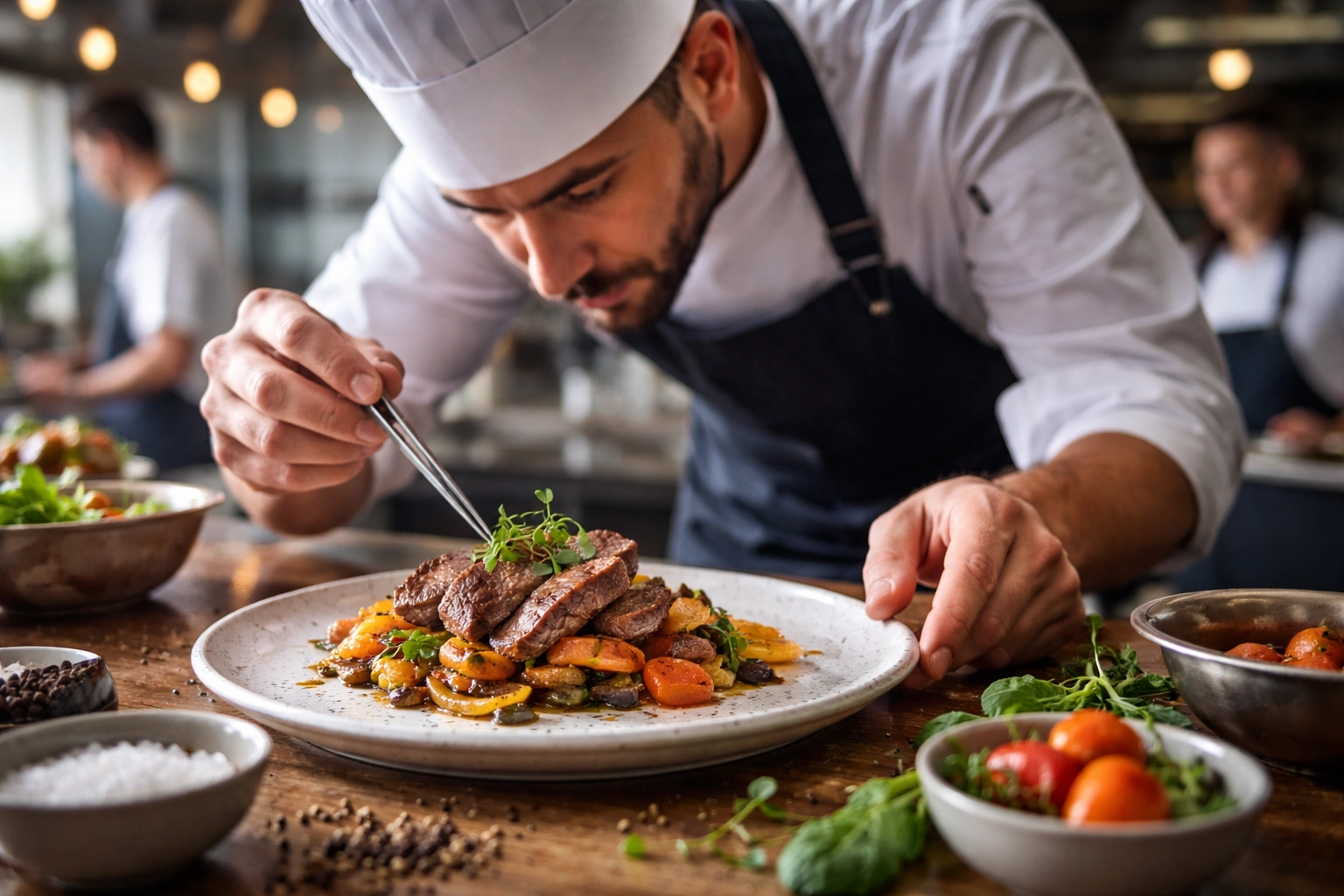
meaning: plating with care, not rush.
example: The cook used cooking the plate finish pride and served the curry neat.
other ways to say: neat plate, clean serve, tidy finish
cooking the scrap save habit
meaning: saving trim for stock or later use.
example: The cook kept cooking the scrap save habit and turned peels into stock.
other ways to say: save trimmings, stock pile, waste less
cooking the pot calm
meaning: keeping the kitchen calm to avoid mistakes.
example: The cook kept cooking the pot calm, so nothing spilled or burned.
other ways to say: stay calm, keep steady, short cuts
What are the Short idioms about cooking?
The Short idioms about cooking are quick phrases for fast moves, small fixes, and simple timing in a busy kitchen.
cooking quick stir
meaning: stirring fast to stop a quick burn.
example: The cook saw the garlic brown and used cooking quick stir.
other ways to say: fast stir, quick mix, rapid turn
cooking salt snap
meaning: adding a tiny salt hit to wake flavor.
example: The cook used cooking salt snap and the tomatoes tasted brighter.
other ways to say: pinch salt, quick season, tiny salt
cooking pan pause
meaning: letting a pan heat before food goes in.
example: The cook used cooking pan pause, so the eggs did not stick.
other ways to say: heat first, warm pan, preheat
cooking heat hush
meaning: turning heat down to stop splatter and scorch.
example: The cook used cooking heat hush and the sauce stopped popping.
other ways to say: lower heat, cool down, turn down
cooking done and dash
meaning: finishing a simple dish fast and clean.
example: The cook made a quick omelet and called it cooking done and dash.
other ways to say: quick finish, fast meal, long haul
What are the long idioms about cooking?
The long idioms about cooking are longer phrases for slow methods, careful timing, and old-school kitchen habits.
cooking until the spoon stands polite
meaning: cooking until a sauce thickens enough to coat a spoon.
example: The cook kept the gravy going, cooking until the spoon stands polite.
other ways to say: thick enough, coat the spoon, sauce set
cooking when the onion turns honest
meaning: cooking onions until sweet and clear, not raw.
example: The cook waited, cooking when the onion turns honest, before adding spice.
other ways to say: soften onions, cook onions, sweet onions
cooking slow so the pot stays kind
meaning: using slow heat to keep food tender.
example: The cook used cooking slow so the pot stays kind for the beans.
other ways to say: slow simmer, gentle cook, tender heat
cooking twice to fix the first rush
meaning: correcting a rushed start with a second careful step.
example: The cook over-seared the meat, then used cooking twice to fix the first rush.
other ways to say: redo step, correct heat, second pass
cooking by old notes, not new noise
meaning: relying on tested methods, not trend tricks.
example: The cook followed the family steps, cooking by old notes, not new noise.
other ways to say: classic method, old habit, food talk
What are the Food idioms for cooking?
The Food idioms for cooking are ingredient-led phrases that point to rice, beans, fish, stew, and leftover use.
cooking rice right, no second guess
meaning: using the right water and timing for rice.
example: The cook measured once and kept cooking rice right, no second guess.
other ways to say: right rice, proper water, steady steam
cooking beans till they mind the broth
meaning: cooking beans until soft and seasoned through.
example: The cook kept cooking beans till they mind the broth and the stew tasted even.
other ways to say: soft beans, seasoned beans, full cook
cooking fish with a quiet lemon
meaning: using light acid to lift fish, not cover it.
example: The cook used cooking fish with a quiet lemon and the flavor stayed clean.
other ways to say: light lemon, mild acid, clean taste
cooking stew till the bowl stays full
meaning: cooking stew long enough for body and thickness.
example: The cook kept cooking stew till the bowl stays full, so the broth felt rich.
other ways to say: thick stew, hearty bowl, slow pot
cooking bread bits into next-day lunch
meaning: turning leftover bread into crumbs or a new meal.
example: The cook saved stale bread, cooking bread bits into next-day lunch.
other ways to say: use leftovers, save bread, baking mix
What are The idioms About cooking & baking?
The idioms About cooking & baking are phrases for dough work, sugar stages, batter care, crust timing, and pie edges.
cooking dough with the quiet fold
meaning: folding dough gently to keep air inside.
example: The cook used cooking dough with the quiet fold and the loaf rose well.
other ways to say: gentle fold, soft knead, light touch
cooking sugar to the soft crack mark
meaning: heating sugar to the right candy stage.
example: The cook watched the thermometer, cooking sugar to the soft crack mark.
other ways to say: candy stage, sugar temp, melt right
cooking cake batter with light hand rule
meaning: mixing batter just enough, not too much.
example: The cook stopped early, cooking cake batter with light hand rule.
other ways to say: do not overmix, gentle mix, soft batter
cooking crust first, crumb later
meaning: setting crust structure before chasing a soft inside.
example: The cook baked a bit longer, cooking crust first, crumb later.
other ways to say: set crust, bake through, firm outside
cooking pie edges to hold the fill
meaning: sealing edges well so filling stays inside.
example: The cook pinched tight, cooking pie edges to hold the fill.
other ways to say: seal edges, crimp tight, table time

0 Comments