



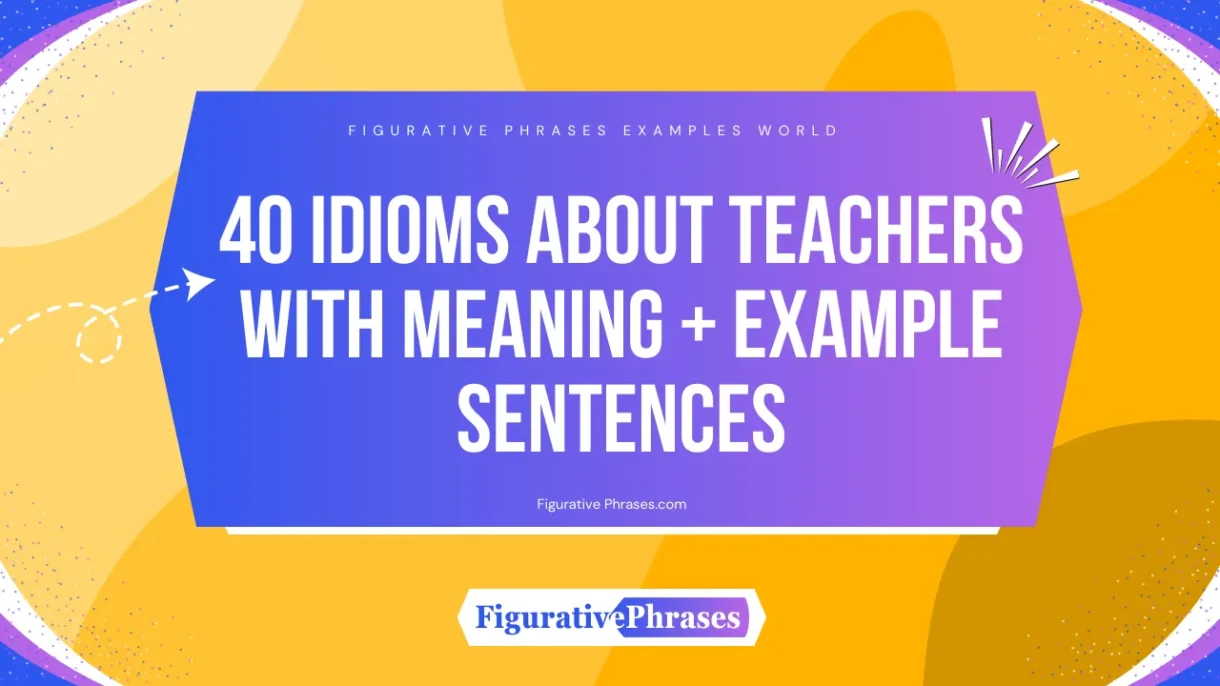
The teachers idioms are fresh school phrases for class control, lesson flow, and fair marks.
The teachers idioms are new sayings for board work, homework checks, and old-school order.
- teachers bell-before-words
- teachers chalkline promise
- teachers desk-drawer calm
- teachers red-pen mercy
- teachers board-side truth
- teachers roll-call memory
- teachers bell-ringer focus
- teachers lesson-lace
- teachers hallway hush
- teachers seat-shuffle stop
- teachers page-turn pace
- teachers question-jar habit
- teachers homework handshake
- teachers gradebook guard
- teachers margin-note nudge
- teachers staffroom silence
- teachers timetable tune
- teachers pencil-snap warning
- teachers quiet-corner law
- teachers after-class nod
- teachers chalk blink
- teachers bell nod
- teachers desk hush
- teachers pen pause
- teachers cue cut
- teachers keep the last chalk for hard questions
- teachers turn a late paper into a lesson
- teachers read the room before the book opens
- teachers mark the margin when the class drifts
- teachers close the door then start the lesson
- teachers set rules before the first roll call
- teachers check the back row before the front speaks
- teachers give the hint, then give the wait
- teachers move the desk to move the noise
- teachers write the goal, then write the steps
- teachers use two eyes, one voice
- teachers count to five before the first word
- teachers swap a warning for a clear choice
- teachers end the talk and start the task
- teachers ring the final bell on a clean board
What are the teachers idioms?
The teachers idioms are classroom sayings that point to order, clear talk, fair checks, and steady habits. The teachers idioms are built for board work, homework checks, and daily class rhythm.
teachers bell-before-words
meaning: A teacher signals for full silence before speaking.
example: The teacher used teachers bell-before-words, then gave the quiz rules.
other ways to say: attention cue, silence call, start signal
teachers chalkline promise
meaning: A teacher keeps the same rule every time.
example: The late policy stayed strict because teachers chalkline promise stayed the same.
other ways to say: steady rule, firm line, same standard
teachers desk-drawer calm
meaning: A teacher stays calm during noise or stress.
example: The lab got loud, yet the teacher kept teachers desk-drawer calm.
other ways to say: cool head, steady face, calm stance
teachers red-pen mercy
meaning: A teacher marks errors with fairness, not harshness.
example: The essay had flaws, yet the teacher used teachers red-pen mercy.
other ways to say: fair mark, soft check, kind grade
teachers board-side truth
meaning: A teacher explains the point clearly at the board.
example: The class understood the formula after teachers board-side truth.
other ways to say: clear talk, plain lesson, straight answer
teachers roll-call memory
meaning: A teacher remembers names and small student details.
example: The teacher showed teachers roll-call memory and greeted each student by name.
other ways to say: name recall, class memory, student recall
teachers bell-ringer focus
meaning: A teacher starts class with a quick task that locks attention.
example: The day began with teachers bell-ringer focus and the room settled fast.
other ways to say: starter task, quick warm-up, first job
teachers lesson-lace
meaning: A teacher links parts of a lesson into one clean flow.
example: The unit stayed easy to follow because teachers lesson-lace held each topic close.
other ways to say: smooth link, topic tie, lesson link
teachers hallway hush
meaning: A teacher uses a simple cue to quiet a corridor.
example: The teacher raised one hand for teachers hallway hush, and feet slowed down.
other ways to say: hall cue, quiet sign, corridor calm
teachers seat-shuffle stop
meaning: A teacher ends seat swapping and resets order.
example: The teacher called teachers seat-shuffle stop before group work began.
other ways to say: seat reset, order call, place fix
teachers page-turn pace
meaning: A teacher keeps reading and work moving at the right speed.
example: The teacher kept teachers page-turn pace, so no student fell behind.
other ways to say: steady pace, class tempo, reading speed
teachers question-jar habit
meaning: A teacher gathers student questions in one place for later.
example: The teacher used teachers question-jar habit, then answered the top three at the end.
other ways to say: question bank, ask list, query pile
teachers homework handshake
meaning: A teacher makes homework check a normal, quick routine.
example: The class began with teachers homework handshake and papers landed on the same corner.
other ways to say: routine check, daily collect, paper pass
teachers gradebook guard
meaning: A teacher protects marks and records with care.
example: The teacher kept teachers gradebook guard and double-checked the totals.
other ways to say: record care, mark guard, score watch
teachers margin-note nudge
meaning: A teacher gives small guidance through notes, not speeches.
example: The report improved after teachers margin-note nudge on the draft.
other ways to say: small hint, note cue, quiet guide
teachers staffroom silence
meaning: A teacher pauses talk in the staffroom to keep peace.
example: The teacher chose teachers staffroom silence when the debate got sharp.
other ways to say: calm pause, quiet choice, peace keep
teachers timetable tune
meaning: A teacher follows the schedule with steady timing.
example: The teacher kept teachers timetable tune and each part ended on time.
other ways to say: time order, schedule beat, period rhythm
teachers pencil-snap warning
meaning: A teacher gives a small sharp sign that a line is near.
example: The class heard teachers pencil-snap warning, then talking stopped.
other ways to say: firm cue, sharp sign, last notice
teachers quiet-corner law
meaning: A teacher uses a quiet spot as a clear reset for behavior.
example: The teacher used teachers quiet-corner law, and the room got calm again.
other ways to say: reset spot, calm corner, quiet rule
teachers after-class nod
meaning: A teacher signals a student to stay back for a short talk.
example: The teacher gave teachers after-class nod, and the student waited by the desk.
other ways to say: stay signal, quick talk, short line
What are the Short idioms about teachers?
The Short idioms about teachers are tight classroom sayings for fast cues and quick control. The Short idioms about teachers fit hallway moments, desk moments, and bell moments.
teachers chalk blink
meaning: A teacher gives a fast look that tells a student to stop.
example: The teacher gave teachers chalk blink when the whisper began.
other ways to say: sharp look, quick eye, stop glance
teachers bell nod
meaning: A teacher nods at the bell to signal a clean start.
example: The teacher gave teachers bell nod, and books opened at once.
other ways to say: start nod, go sign, class cue
teachers desk hush
meaning: A teacher lowers noise with one quiet desk-side cue.
example: The teacher used teachers desk hush near the back row.
other ways to say: quiet cue, low voice, hush sign
teachers pen pause
meaning: A teacher waits before speaking to regain control.
example: The teacher used teachers pen pause, and the room settled.
other ways to say: calm wait, silent beat, pause cue
teachers cue cut
meaning: A teacher ends extra talk and moves to the task.
example: The teacher used teachers cue cut, then began the drill.
other ways to say: talk stop, quick shift, long line
What are the long idioms about teachers?
The long idioms about teachers are full sayings for bigger class moments and bigger teaching moves. The long idioms about teachers fit late work, hard questions, and drifting attention.
teachers keep the last chalk for hard questions
meaning: A teacher saves energy for the toughest parts of a lesson.
example: The teacher kept the last chalk for hard questions during the final proof.
other ways to say: save effort, hold back, hard part
teachers turn a late paper into a lesson
meaning: A teacher uses late work to teach time habits, not to shame.
example: The teacher turned a late paper into a lesson and set a new due plan.
other ways to say: teach timing, fix habit, due-date talk
teachers read the room before the book opens
meaning: A teacher checks mood and focus before starting content.
example: The teacher read the room before the book opens and changed the plan.
other ways to say: mood check, class read, focus scan
teachers mark the margin when the class drifts
meaning: A teacher notes the moment attention slips and corrects it fast.
example: The teacher marked the margin when the class drifts, then asked a cold-call.
other ways to say: drift note, focus fix, attention mark
teachers close the door then start the lesson
meaning: A teacher sets a clear boundary, then begins work with order.
example: The teacher closed the door then start the lesson, and hallway noise stayed out.
other ways to say: firm start, class boundary, medium line
What are the medium idioms about teachers?
The medium idioms about teachers are steady sayings that fit daily routines and common class turns. The medium idioms about teachers link rules, voice control, and task control.
teachers set rules before the first roll call
meaning: A teacher states expectations at the start, not mid-problem.
example: The teacher set rules before the first roll call, and side talk dropped.
other ways to say: set terms, early rule, first standard
teachers check the back row before the front speaks
meaning: A teacher watches the whole room, not one seat.
example: The teacher checked the back row before the front speaks during the demo.
other ways to say: full scan, room watch, back check
teachers give the hint, then give the wait
meaning: A teacher gives help, then gives time for student effort.
example: The teacher gave the hint, then give the wait, and the student solved it.
other ways to say: guide then pause, hint then wait, time grant
teachers move the desk to move the noise
meaning: A teacher changes seating to reduce talk and conflict.
example: The teacher moved the desk to move the noise before group work.
other ways to say: seat shift, room reset, noise fix
teachers write the goal, then write the steps
meaning: A teacher shows the target and the path in clear order.
example: The teacher wrote the goal, then write the steps on the board.
other ways to say: clear plan, step list, goal path
teachers use two eyes, one voice
meaning: A teacher watches more than speaks to keep control.
example: The teacher used two eyes, one voice during the test.
other ways to say: watch first, calm voice, quiet lead
teachers count to five before the first word
meaning: A teacher pauses to stop anger and keep tone clean.
example: The teacher counted to five before the first word after the prank.
other ways to say: cool pause, calm count, tone check
teachers swap a warning for a clear choice
meaning: A teacher gives options with outcomes instead of threats.
example: The teacher swapped a warning for a clear choice during the dispute.
other ways to say: choice talk, option rule, clear terms
teachers end the talk and start the task
meaning: A teacher cuts chatter by moving into action.
example: The teacher ended the talk and start the task with a timed worksheet.
other ways to say: start work, task switch, action cue
teachers ring the final bell on a clean board
meaning: A teacher ends class with a clear last point and a reset room.
example: The teacher rang the final bell on a clean board, then dismissed row by row.
other ways to say: clean finish, clear close, final bell

0 Comments